Will Partnerships in Education Unlock Africa's AI Potential: A Spotlight on TRCN Partnership with GMind AI
TECHNOLOGY
8/16/20253 min read
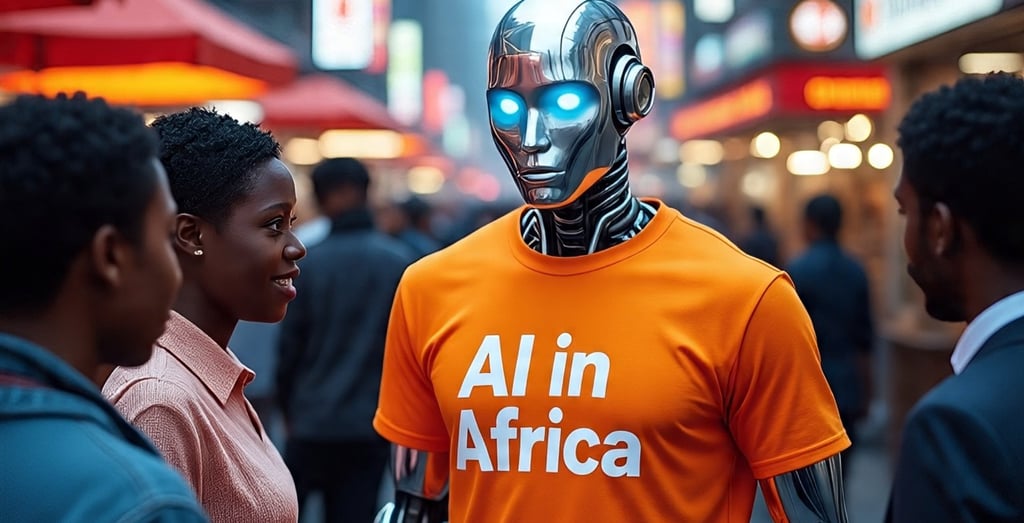

The Teachers Registration Council of Nigeria (TRCN) has signed a Memorandum of Understanding with GMind AI to launch an AI-driven lesson planning platform for over 1.5 million certified teachers, a landmark step for Nigeria’s education sector. Set to debut on October 6, the platform will deliver culturally relevant, simulation-based lesson plans integrating Nigeria’s heritage—such as the Ife and Benin Kingdoms—with global curricula. It offers prescriptive tools tailored to diverse learner needs, reducing planning burdens and fostering deeper student engagement. TRCN Registrar Dr. Ronke Soyombo emphasized its focus on enabling “21st-century learners to see and experience concepts for deep learning,” while GMind AI’s Dr. Deji Ajani described it as a “customised ecosystem” blending technology with local requirements.
Strategic partnerships are vital for closing these gaps, pooling resources to unleash AI’s potential and drive sustainable development. In Africa, collaborations facilitate knowledge transfer, innovation scaling, and inclusive growth. In Nigeria, for instance, AI startups leverage alliances to advance natural language processing. The TRCN-GMind partnership exemplifies this, providing accessible AI tools to enhance teaching quality through national training across geopolitical zones. This initiative not only addresses resource constraints but also delivers culturally responsive solutions, positioning Nigeria as a leader in AI-integrated education. Such synergies align with broader calls for Pan-African AI alliances, fostering a collaborative framework to amplify impact.
The future of AI in African education holds immense promise. From personalized learning and auto-grading to inclusive tools for special needs students, AI can transcend traditional barriers, potentially leapfrogging systemic challenges. With responsible implementation—addressing ethics, data privacy, and infrastructure—AI could empower youth, boost economic mobility, and generate significant economic benefits for key nations. Governments adopting robust AI strategies and fostering regional collaborations will be pivotal in ensuring the continent not only adapts but thrives in this transformative era. The TRCN-GMind partnership serves as a beacon, demonstrating how targeted alliances can unlock Africa’s AI potential, paving the way for an equitable and innovative educational landscape.
This partnership aligns with sweeping changes in education and the job market, where AI is reshaping skill demands and posing significant challenges. Globally and in Africa, AI automation threatens low-skilled roles, with studies highlighting a negative correlation between AI adoption and such employment. In South Africa, executives predict 40% of workers will need reskilling within three years due to AI disruptions, driving demand for expertise in data science, cybersecurity, and AI development. Across the continent, AI-driven businesses require analytical, tech-savvy professionals, while routine tasks face obsolescence, risking unemployment for those unprepared. Education systems must pivot to cultivate critical thinking, digital literacy, and adaptability, yet many African institutions struggle with resource constraints and outdated curricula.
Africa has made strides in AI adoption, with countries like Kenya, South Africa, Nigeria, and Ghana embedding the technology in national digital strategies and fostering innovation ecosystems. Initiatives such as regional AI research partnerships have spurred progress, but gaps remain, including limited infrastructure, skills shortages, and policy deficiencies. Education stakeholders—governments, universities, and NGOs—are critical in addressing these challenges by reforming curricula, funding teacher training, and promoting equitable access to bridge the digital divide. Efforts to localize AI content and train educators are underway, yet challenges like power outages and costly internet persist, underscoring the need for targeted interventions.
For business leaders and educators tracking Africa’s technological ascent, partnerships like this signal a turning point. Stay informed with The Business Read on LinkedIn, Twitter, and our website for exclusive insights on African education, technology, finance, and strategic business intelligence tailored for informed decision-making.