Rana Energy Bags $3M Pre-Seed Boost to Light Up Africa with AI Solar Power
Rana Energy // Energy Sector //Africa //Technology
TECHNOLOGY
10/31/20252 min read
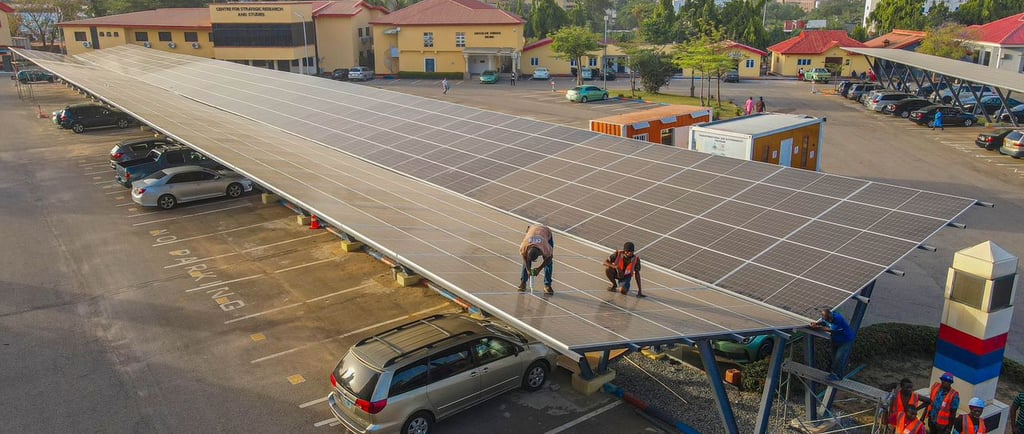
Rana Energy, a fresh Nigerian startup tackling Africa's power woes, just landed $3 million in pre-seed cash. The funds will speed up their smart platform that uses AI to deliver clean, cheap electricity to homes and businesses. Founded in 2023 by engineers Abraham Mohammed and Mubarak Popoola, the company runs a "Clean Energy-as-a-Service" setup. No big upfront costs for users—just subscribe and get reliable solar power. This deal mixes $500,000 in equity from big names like Techstars and EchoVC Eco, plus $2.5 million in green debt from local backers. It's a smart blend to grow fast without drowning in dollars. At the core is their Virtual Solar Network (VSN), an AI tool that acts like a brain for solar setups. It predicts when and where power is needed, juggles energy from scattered solar panels and batteries, and even builds investor portfolios for green projects. In just 18 months, Rana has rolled out 1.3 megawatts of solar and storage across Nigeria.
That's lit up federal buildings, clinics, and shops with 99.9% uptime. They've slashed diesel use by over 80% and cut energy bills up to 30% for clients. One clinic now saves ₦2.5 million a month on fuel, running 24/7 on clean power at 25% less cost. Africa's energy mess is huge. Over 600 million people lack steady electricity, and in Nigeria, 80% of businesses burn pricey diesel generators at $0.4 per kilowatt-hour—three times solar rates. Grids are weak, urbanization booms, and blackouts hit hard. Rana steps in with a no-fuss model: aggregate small solar systems under 1 megawatt to draw big money, then serve users via subscriptions. It's climate-smart too, dodging 450,000 kilograms of carbon emissions a year.
Co-founder Popoola says, "Execution is everything. Rana delivers at lightning pace, proving reliable clean energy is inevitable—not a luxury."The cash fuels big plans. Rana aims to hit 10 megawatts of managed assets in 12 months, expanding to Ghana and Zambia. They'll power hospitals, supermarkets, battery swap spots, and factories. CEO Mohammed notes, "We've shown sub-1 MW systems can attract capital and drive impact. Every $1 we deploy creates over $10 in local value through savings and gains." EchoVC's Eghosa Omoigui adds, "Abraham and Mubarak built a scalable fix for Africa's $20 billion energy gap.
Their AI creates a new energy paradigm to unlock billions in growth."This isn't just tech talk—it's jobs and lives. Rana's model boosts productivity: a powered clinic handles more patients, and a shop stays open longer. It creates roles in installation, maintenance, and data ops, mostly local hires. In a continent where the distributed energy market could hit $127 billion by 2030, Rana's edge is AI smarts meeting real needs. No more diesel fumes or surprise bills; instead, steady power that lets businesses thrive. Challenges linger, like spotty grids and funding hurdles for green debt. But Rana's hybrid finance—equity for speed, debt for scale—sets a template. They're proving Africa can leapfrog dirty fuels with smart, homegrown solutions.
As urban crowds grow and climate clocks tick, outfits like Rana turn blackouts into bright spots. This $3 million is fuel for a brighter, greener grid—one AI prediction at a time.