
Namibia’s Game-Changer: Free Higher Education to Spark Economic Surge by 2026Windhoek, Namibia – President Netumbo
EDUCATION
9/19/20252 min read
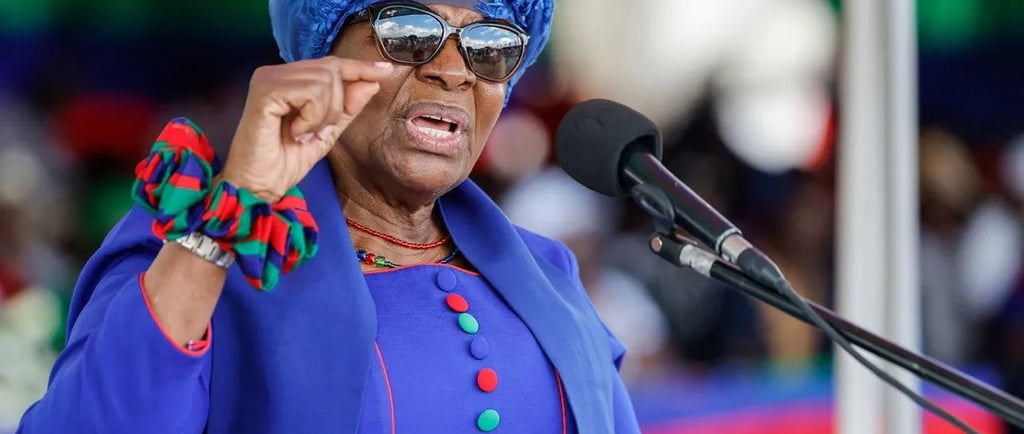
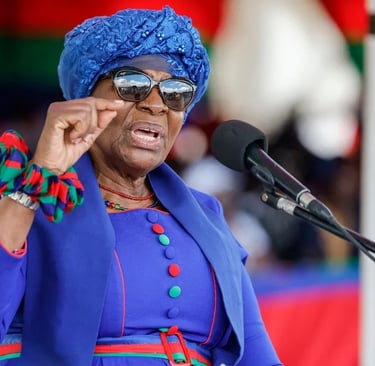
Nandi-Ndaitwah, freshly sworn in as Namibia’s first female leader, dropped a bombshell Thursday, announcing that starting in 2026, all state universities and technical colleges will be tuition-free. This bold policy, shared during her first major address to Parliament, aims to transform the nation’s economic landscape by empowering its youth and addressing the crippling 40% unemployment rate among those under 35, who make up over half of Namibia’s 3.1 million people.The move builds on Namibia’s already robust commitment to free primary and secondary education, which has driven literacy rates above 90%. Yet, higher education has remained out of reach for many due to fees and related costs like books and boarding, which can run up to $1,200 annually. By scrapping tuition and registration fees at institutions like the University of Namibia and its technical counterparts,


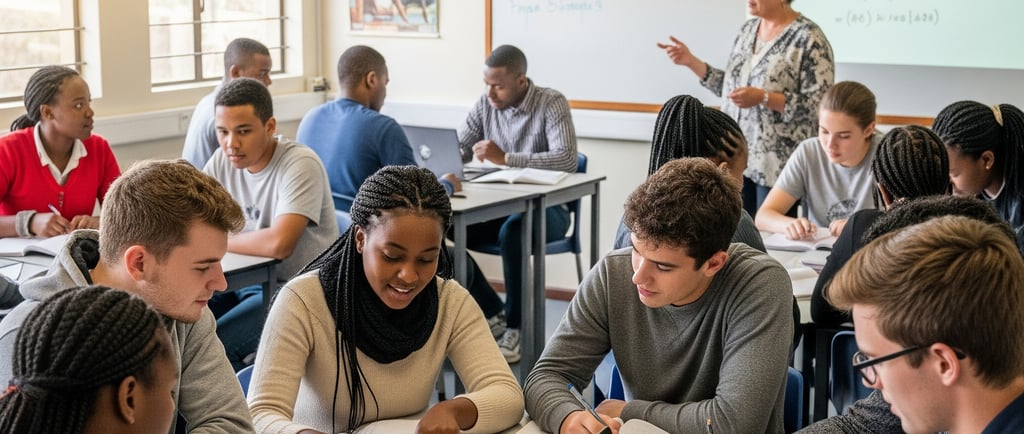
An educated workforce tends to earn more, increasing consumer spending on goods like electronics or professional services, which could invigorate Namibia’s retail and tech sectors. Foreign investors, especially in edtech and vocational training, may see Namibia as a testing ground for scalable solutions, potentially attracting partnerships from firms in Europe or Asia.But the road ahead isn’t smooth. Namibia’s national debt, nearing 68% of GDP, raises questions about funding.
The government hasn’t detailed how it will cover costs, though speculation points to mining taxes and donor support. Without addressing hidden expenses like accommodation or transport, the policy risks leaving rural and low-income students behind. Overcrowding at universities, already stretched thin, could also strain quality if infrastructure and faculty aren’t upgraded.Globally, this positions Namibia as a trailblazer in Africa’s education push, potentially outshining neighbors like Botswana, where higher education access remains limited. For businesses, the message is clear: a skilled, local talent pool is on the horizon, but success depends on government execution and private-sector collaboration.
Nandi-Ndaitwah is betting big on creating a skilled workforce to fuel industries like mining, renewable energy, and tech. This could be a lifeline for businesses struggling to find qualified locals in a country where mining giants like De Beers and emerging green energy firms dominate but often rely on foreign talent.Economically, the stakes are high. Namibia’s GDP growth, stuck around 2.5-3% since the pandemic, could see a boost of up to 1.5% annually by 2035, as more graduates enter fields like engineering and IT. Similar initiatives in countries like Kenya have shown a 10-15% uptick in skilled job placements within five years of free education policies. For local companies, this means lower recruitment costs and a chance to scale operations. SMEs, which employ nearly two-thirds of Namibians, could particularly benefit as young entrepreneurs leverage new skills to launch startups in areas like sustainable agriculture or digital services.The policy also has broader market implications.
As Nandi-Ndaitwah rallies her nation toward a knowledge-driven future, the business community – from Windhoek’s tech hubs to coastal mining towns – will be watching closely.