LabelVie Group Opens New Carrefour Market in Tinghir
Retail Africa // Commerce
RETAIL / ECOMMERCE
10/21/20253 min read
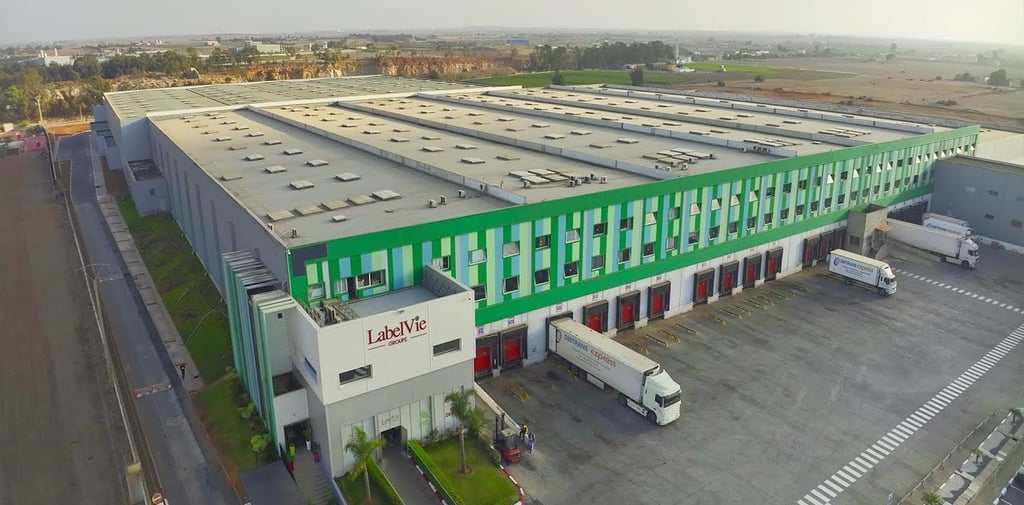
LabelVie Group, has unveiled a shiny new Carrefour Market store in the desert town of Tinghir. This fresh spot cost 47 million dirhams—about $4.7 million—to build and spans 5,629 square meters overall, with 1,019 square meters dedicated to shelves stocked with everyday goods. The opening kicked off with local leaders and company bosses in attendance, creating 40 direct jobs right away and 30 more in supporting roles like delivery and suppliers. It's a smart step that brings modern shopping to a far-off corner of the country, making life easier for families who once traveled miles for basics.
Tinghir sits in the heart of Morocco's Drâa-Tafilalet region, a place known for its stunning gorges, date palms, and tough, sandy life. Here, the economy leans hard on farming—think juicy dates and hardy crops—plus a sprinkle of tourism from hikers drawn to the rugged landscapes. But retail has been basic: small shops and weekly markets where folks haggle over spices and fabrics. LabelVie's new store changes that game. It offers wide aisles, fresh produce, household items, and even some local treats, all under one roof. Shoppers can grab milk, electronics, or clothes without the dust and crowds of the souk. For locals, it's a win—prices stay fair, and the store's design keeps things cool in the scorching heat.LabelVie, started back in the 1980s by three tech-savvy engineers, has grown into Morocco's retail kingpin. They teamed up with global giant Carrefour in 2009, flipping old stores into trusted brands like Carrefour Market, which focus on quality groceries for mid-sized towns. This Tinghir spot fits right into their "Vision 2028" plan, a bold push to blanket the country with more than 900 outlets by the end of the decade. Last year alone, they added 91 stores, from quick-stop Express shops to big hypermarkets. In 2025, they're aiming to grow their total space by 15 to 20 percent, including three new hypermarkets in busy spots like Casablanca. They're also ramping up Supeco, their discount chain, to hit 150 locations by year's end—perfect for budget shoppers in growing cities. This expansion isn't just about stacking shelves; it's fueling Morocco's economy.
Retail already makes up about 13 percent of the country's output, employing over a million people. But most sales happen in tiny, family-run spots—over 250,000 of them—while big chains like LabelVie hold just a sliver. By spreading out, they're shaking things up, drawing in tourists who want familiar brands and giving locals steady jobs with training. Those 70 new roles in Tinghir mean paychecks for young folks, who can now afford better homes or start small businesses. Plus, the store sources from nearby farms, putting more cash back into the community.Challenges pop up, though. In remote areas like Tinghir, roads can be bumpy, and power flickers during sandstorms. LabelVie is tackling this with solar backups and local hires who know the lay of the land. They're also eyeing tech upgrades, like apps for quick orders, to blend old-school charm with speedy service. Nationally, competition heats up from rivals like BIM and Kazyon, who are flooding markets with cheap options. But LabelVie's mix of formats—from luxury Gourmet spots to no-frills Supeco—keeps them ahead.
As Morocco's economy hums along at around 4 percent growth this year, thanks to tourism rebounds and farm recoveries after droughts, moves like this Tinghir store show how retail can knit regions together. It turns a quiet town into a hub, blending global savvy with homegrown needs. For LabelVie, it's one more brick in a wall of progress, proving that smart growth lifts everyone. Planting stores in underserved towns like Tinghir not only boosts sales but also builds community ties, a smart play for retailers in emerging markets.Each new outlet creates ripple jobs beyond the checkout—think suppliers and drivers—highlighting retail's power to ease youth unemployment in rural spots.LabelVie's blend of discount and premium stores shows flexibility pays off, a lesson for chains navigating picky shoppers and tough rivals.Balancing eco-friendly builds, like solar power in sunny Morocco, with rapid scaling can future-proof retail against climate hiccups.