
Ghana's Cedi Could Weaken, Other Local Currencies Seen Stable
FINANCE
8/24/20253 min read
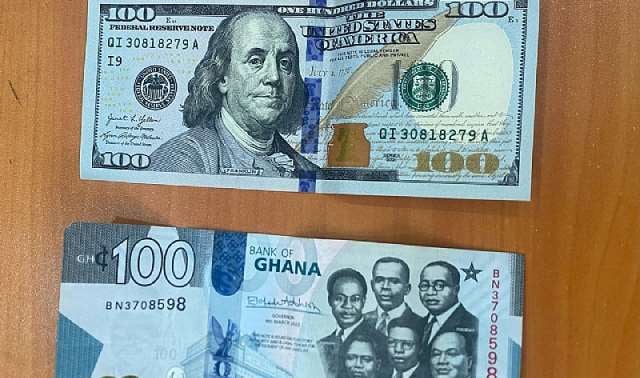
Ghana’s cedi is poised for further weakening against the U.S. dollar in the week ahead, while currencies in Kenya, Nigeria, Uganda, and Zambia are expected to hold steady, according to traders cited in a recent CNBC Africa report. This difference in currency performance underscores the broader challenges African economies face as they navigate inflationary pressures, corporate demand for foreign exchange, and inconsistent central bank interventions. As inflation continues to erode purchasing power and economic stability across the continent, the question looms: what becomes of Africa’s local currencies in this volatile environment?The Ghanaian cedi’s anticipated slide is driven by robust corporate demand for dollars, particularly from the manufacturing, commerce, and services sectors, amid limited foreign exchange supply. LSEG data indicates the cedi was trading at 10.90 to the dollar on August 21, 2025, down from 10.70 the previous week. “FX demand from local corporate accounts remains firm,” a trader noted, highlighting that bids at the Bank of Ghana’s intermittent auctions are far outpacing allocated amounts.



Chris Nettey, head of trading at Stanbic Bank Ghana, emphasized that the cedi’s weakness will likely persist until supply and demand reach equilibrium, a balance that could be supported by enhanced central bank reforms and increased intervention volumes. The Bank of Ghana’s recent directive to restrict foreign currency payouts to large corporates, such as bulk oil distributors and mining firms, unless backed by equivalent cash deposits, aims to alleviate pressure on the cedi. This measure alone may not suffice to stem the tide of depreciation in the short term.In contrast, neighboring countries like Kenya, Nigeria, Uganda, and Zambia are seeing relative currency stability. Kenya’s shilling, quoted at 129.00/40 per dollar, is expected to remain steady due to balanced supply and demand dynamics, as per a commercial bank trader. Nigeria’s naira, trading at around 1,533 to the dollar on the official market, benefits from central bank interventions and exchange bureau dollar sales to meet importer and traveler demand. Uganda’s shilling, supported by subdued dollar demand following a traders’ strike, is quoted at 3,560/3,570, while Zambia’s kwacha also holds firm.
These currencies’ resilience, however, does not insulate them from broader inflationary pressures gripping the continent.Inflation remains a critical challenge across Africa, exacerbating currency woes. In Ghana, headline inflation stood at 13.7% in June 2025, down from 28.3% earlier in the year, but still significant. Nigeria reported inflation easing, yet speculative trading on the naira remains limited, keeping it range-bound.
The African Development Bank predicts that 21 of 54 African currencies will weaken against the dollar in 2025, driven by geopolitical strains and domestic economic challenges. Ghana’s cedi, which depreciated by 135% between 2020 and 2024, exemplifies this trend, with its value sliding from GHS 5.5 to GHS 13.2 against the dollar. Such depreciation fuels higher import costs, driving up prices for essentials like fuel and food, and shrinking the purchasing power of the middle class.The root causes of currency instability are multifaceted. Ghana’s heavy reliance on imports—$18 billion annually for fuel, machinery, and consumer goods—coupled with volatile export earnings from gold, cocoa, and oil, creates a persistent foreign exchange deficit. External debt servicing, with Ghana owing $31 billion and $2.5 billion in annual interest, further drains reserves. Speculative behavior, where businesses and individuals hoard dollars in anticipation of further depreciation, compounds the issue, creating a self-fulfilling cycle of currency weakening.To address these challenges, strategic policy interventions are essential. Experts suggest export-led industrialization, such as processing cocoa into finished products, to boost foreign exchange inflows. A currency stabilization fund, akin to models in Chile and Indonesia, could buffer reserves against global shocks. Ghana’s recent policy mandating all government contracts be priced in cedis is a step toward reducing dollar dependence, but consistent enforcement is critical. For now, as inflation and currency volatility persist, African economies must balance short-term interventions with long-term structural reforms to safeguard their currencies and ensure economic resilience.