
Ghana Boosts Cocoa Farmers with 12% Farmgate Price Hike for 2025/26 Season
Ghana // Cocoa //Cocoa Prices //Markets //Africa //West Africa
MARKETS AND ECONOMIES
The Business Read Market Analysis
10/3/20252 min read
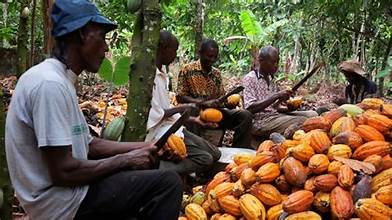
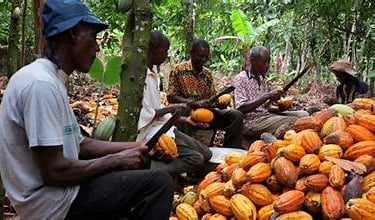
Ghana, the world’s second-largest cocoa producer, has announced a significant 12% increase in the farmgate price for cocoa farmers for the 2025/26 crop season, marking the second price adjustment this year. This move reflects the government’s ongoing efforts to support its cocoa industry, a cornerstone of the nation’s economy, amidst global market fluctuations and domestic challenges. The decision comes as cocoa prices soar internationally, driven by supply shortages and rising demand, offering both opportunities and risks for Ghana’s cocoa sector.The new farmgate price, which is the fixed rate paid to farmers for their cocoa beans, aims to ensure that farmers benefit from the global cocoa price surge. Ghana’s cocoa industry employs millions and accounts for a significant portion of the country’s export revenue. By raising the farmgate price, the government hopes to incentivize farmers to maintain production levels despite challenges like unpredictable weather, aging cocoa trees, and competition from illegal mining activities that lure farmers away from agriculture. This price hike follows an earlier increase earlier in 2025, signaling a proactive approach to stabilizing the sector.
Global cocoa prices have been on a rollercoaster, with recent years seeing unprecedented highs due to supply constraints in West Africa, where Ghana and Ivory Coast dominate production. Factors such as adverse weather, disease affecting cocoa trees, and reduced output have tightened global supplies, pushing prices upward. For Ghana, this presents a double-edged sword: while higher global prices boost export earnings, they also highlight the need to ensure farmers are adequately compensated to sustain production. The government’s decision to raise the farmgate price is a strategic move to keep farmers invested in cocoa rather than shifting to other crops or industries.The price increase also reflects Ghana’s commitment to improving the livelihoods of its cocoa farmers, many of whom operate small, family-run farms. Higher incomes could enable farmers to invest in better farming practices, such as replanting aging trees or adopting modern techniques to boost yields. However, the government faces challenges in implementing this policy effectively.
Inflation, rising costs of farming inputs like fertilizers, and logistical issues in cocoa transportation could erode the benefits of the price hike. Additionally, the government must balance its budget, as subsidies and price supports strain public finances.This decision has broader implications for Ghana’s economy. Cocoa exports are a major source of foreign exchange, and a thriving cocoa sector supports related industries like processing and transportation. By boosting farmer incomes, the government hopes to stimulate rural economies, where most cocoa farmers reside. Increased household spending could drive demand for goods and services, creating a ripple effect across the economy. However, global market volatility remains a concern. If cocoa prices drop unexpectedly, Ghana could face challenges in maintaining these price supports without straining its fiscal resources.
For international buyers, Ghana’s move signals a commitment to stabilizing its cocoa supply chain, which could help maintain its reputation for producing high-quality cocoa. However, buyers may face higher costs as Ghana passes on some of the price increases to the global market. This could impact chocolate manufacturers and consumers worldwide, who are already grappling with rising chocolate prices due to global shortages.
Looking ahead, the success of this price hike will depend on Ghana’s ability to address structural challenges in its cocoa sector. Investments in infrastructure, farmer training, and climate-resilient farming practices are critical to sustaining production. The government’s focus on farmer welfare is a step in the right direction, but long-term strategies are needed to ensure the industry remains competitive.