Gabon's Bold Plastic Purge: Supermarket Ban Signals Retail's Green Pivot in Africa's Eco-Revolution
Gabon // Africa // Retail //Green Revolution
10/1/20253 min read
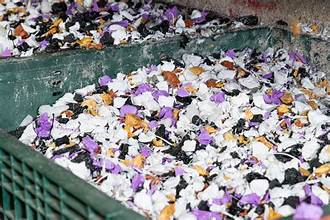
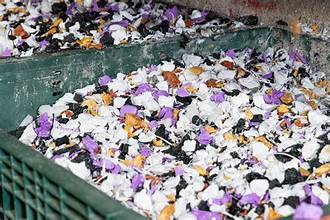
In a decisive step toward environmental stewardship, Gabon has ushered in a nationwide ban on single-use plastic bags in supermarkets, effective September 23, 2025. This policy, first tabled in June, targets the daily deluge of 36 tonnes of plastic waste in and around Libreville, the capital, compelling retailers to rethink packaging paradigms overnight. As African nations increasingly champion sustainability amid escalating climate pressures, Gabon's move emerges as a litmus test for how retail ecosystems can balance ecological imperatives with commercial viability, potentially reshaping supply chains across the continent's burgeoning consumer markets.The ban's genesis lies in Gabon's escalating plastic pollution crisis, where supermarkets—key conduits for everyday essentials—contribute disproportionately to the 36-tonne daily tally. Government data underscores the urgency: these flimsy carriers, often discarded post-purchase, clog waterways, harm wildlife in the country's biodiverse rainforests, and exacerbate urban waste management strains. By prohibiting their distribution, Libreville aims to curb marine ingress and landfill overload, aligning with global pacts like the UN's plastic pollution treaty negotiations. Yet, this isn't mere eco-virtue signaling; it's a calculated economic hedge. Plastics' lifecycle—from production to disposal—imposes hidden costs on municipalities, estimated in millions annually for cleanup and health impacts. The ban, enforced through spot inspections and fines up to 500,000 CFA francs ($800), positions Gabon as a proactive player in Africa's green economy, where sustainable practices could unlock $50 billion in eco-tourism and carbon credit revenues by 2030.
For Gabon's retail sector, comprising over 200 supermarkets and hypermarkets dominated by chains like Carrefour affiliates and local players, the transition demands agility. Initial compliance involves swapping polyethylene bags for biodegradable alternatives—cornstarch-based carriers or reusable totes—sourced from regional suppliers in neighboring Cameroon or South Africa. While upfront costs may spike 15-20% for eco-materials, forward-thinking retailers eye long-term gains: premium pricing for "green" packaging could boost customer loyalty among urban millennials, who prioritize sustainability in 65% of purchasing decisions, per recent consumer surveys. Supply chains, too, face recalibration; importers of bulk goods must integrate bulkier, recyclable options, potentially streamlining logistics via consolidated shipments to offset volume losses. Gabon’s Ministry of Environment has incentivized this shift with tax rebates for certified green vendors, fostering a nascent market for local manufacturers and creating 5,000 jobs in bio-packaging by mid-2026.
Regionally, Gabon's decree echoes a chorus of over 30 African bans, from Kenya's 2017 trailblazer to Rwanda's stringent model, yet it stands out for its urban focus on Libreville's high-density commerce. Enforcement challenges persist—spotty in peers like Nigeria's Lagos, where a July 2025 moratorium lapsed into partial compliance—but Gabon's oil-funded enforcement arm signals firmer resolve. This could catalyze cross-border standards, easing trade under the African Continental Free Trade Area (AfCFTA), where harmonized eco-norms might slash non-tariff barriers by 10%. For multinationals, it's a clarion call: Procter & Gamble and Unilever, heavyweights in Gabon's $2 billion FMCG market, are piloting paper-based wrappers, viewing the ban as a gateway to scalable African innovations.
Critically, the policy spotlights retail's dual role as polluter and innovator. While small vendors may grumble over added logistics, data from similar bans in Uganda shows a 25% uptick in reusable bag sales, turning compliance into commerce. Broader ripples extend to tourism—Gabon's eco-lodges, drawing 300,000 visitors yearly, benefit from cleaner beaches—and agriculture, where reduced microplastics bolster soil health for cocoa exports.
As Gabon enforces this plastic pivot, it not only safeguards its pristine ecosystems but redefines retail resilience. In an era where 70% of global consumers demand sustainable sourcing, this ban isn't a hurdle—it's a launchpad for profitable green growth, urging African retailers to weave ecology into their bottom lines.