
Currency Rebranding: The After Effect of Zimbabwe's Devalued Currency
FINANCE
8/30/20253 min read
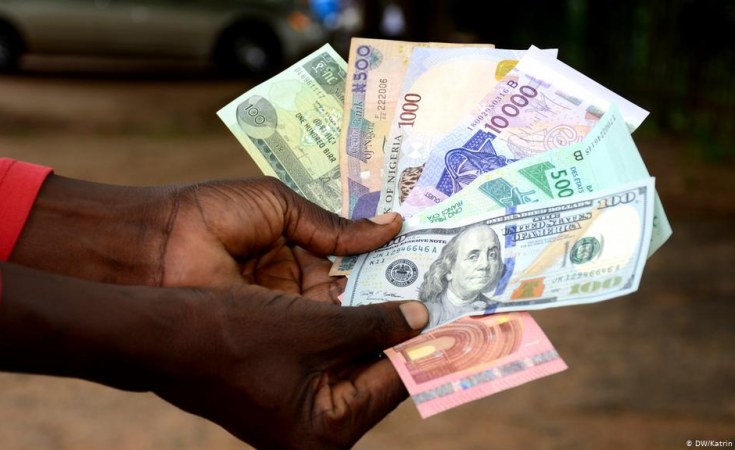
The Reserve Bank of Zimbabwe (RBZ) has announced plans to introduce newly designed ZWG notes, phasing out the old versions, following a 43% devaluation in September 2024 that undermined the currency’s gold-backed status (Launched on April 5, 2024, as Zimbabwe’s sixth attempt at a stable currency in 15 years, the Zimbabwe Gold (ZWG) was intended to restore confidence in an economy battered by hyperinflation and currency crises. This rebranding effort signals a strategic pivot to address persistent economic challenges and rebuild trust in the financial system.Zimbabwe’s economic history is marked by monetary instability, with hyperinflation peaking at 231 million percent in 2008, eroding public trust in the Zimbabwean dollar. The ZWG, backed by gold reserves and foreign currency holdings, was introduced to stabilise prices and curb reliance on the U.S. dollar, which dominates transactions. However, the currency’s 43% devaluation within months exposed vulnerabilities, including limited gold reserves and speculative pressures in parallel markets.
The RBZ and government, under President Emmerson Mnangagwa, seek to bolster confidence to attract foreign investment, critical for sectors like mining and agriculture. However, businesses, particularly SMEs operating in informal markets, struggle with currency volatility, as the ZWG’s value fluctuates against the U.S. dollar Citizens, grappling with eroded purchasing power, may resist the new notes if trust remains low, perpetuating dollarisation. Regional bodies like the Southern African Development Community (SADC) have a stake, as Zimbabwe’s economic instability could deter intra-regional trade and investment.To move forward, Zimbabwe must pair the rebranding with structural reforms. First, the RBZ should enhance transparency around gold reserves, publishing regular audits to rebuild trust in the ZWG’s backing. Second, fiscal discipline—reducing budget deficits from 7.5% of GDP in 2024—would ease pressure on the currency (IMF, 2024). Third, investing in digital payment systems could reduce reliance on physical notes, aligning with trends in Kenya and South Africa, where mobile money drives financial inclusion Finally, engaging SADC for technical assistance could strengthen monetary policy frameworks, leveraging regional expertise.Zimbabwe’s currency rebranding is a bold but limited step toward economic recovery. Without addressing underlying fiscal and productive weaknesses, the new ZWG notes risk repeating past failures.
By combining transparent reserve management, fiscal restraint, and digital innovation, Zimbabwe can rebuild confidence and chart a path to sustainable growth, offering lessons for other African economies navigating currency challenges.
The RBZ’s decision to replace ‘defiled’ notes—tainted by counterfeiting and wear—aims to restore credibility, but critics argue it treats symptoms rather than root causes like fiscal deficits and low productivity.The economic implications are profound. The ZWG’s devaluation has driven inflation, with annual rates climbing to 37.1% by October 2024, squeezing consumers and businesses reliant on imported goods (ZimStat, 2024). The rebranding may stabilise perceptions temporarily, but without addressing structural issues—such as Zimbabwe’s $18 billion external debt and weak export performance—it risks being a cosmetic fix. A PESTEL analysis highlights political pressures on the RBZ to project stability ahead of elections, economic constraints from limited reserves, and social unrest risks as living costs rise. Technologically, modernising note security features could deter counterfeiting, but Zimbabwe’s outdated financial infrastructure limits broader digital currency adoption.Stakeholders face varied impacts.
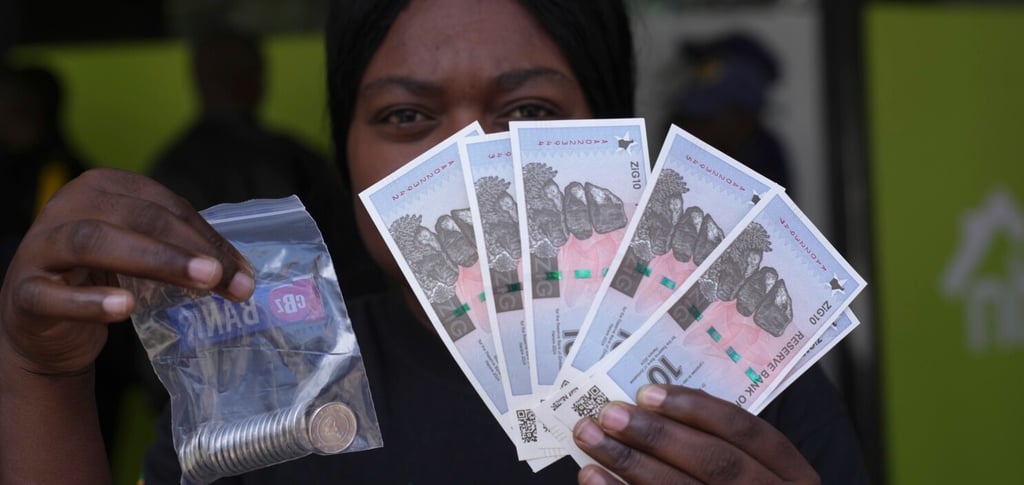
Image sources:
-AP News
-allAfrica