Congo's Tshisekedi Rejects U.S. 'Auction' of Critical Minerals Amid Stalled Rwanda Peace Talks and Eastern Conflict Escalation
Central Africa //The Congo //US Mineral Deal
MARKETS AND ECONOMIES
9/25/20253 min read
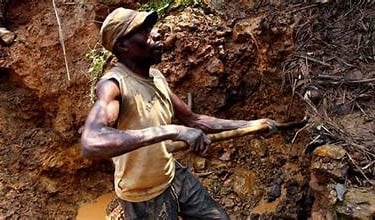
In the mineral-rich heart of Africa, where cobalt and copper veins pulse with the lifeblood of global tech supply chains, Democratic Republic of Congo (DRC) President Felix Tshisekedi has drawn a firm line in the sand. Speaking at the United Nations General Assembly in New York, Tshisekedi declared that his nation will not "auction" its vast natural resources to the United States, even as Washington pushes for deeper economic ties. This stance comes against a backdrop of unrelenting violence in eastern Congo, where a U.S.-brokered peace accord with Rwanda—inked in June under President Donald Trump's mediation—has failed to quell the flames of conflict fueled by the M23 rebel group.
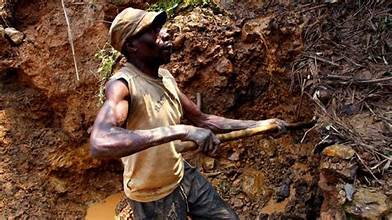
The DRC, the world's top producer of cobalt (essential for electric vehicle batteries) and a powerhouse in copper, tantalum, gold, and lithium, sits on reserves worth trillions. These assets power the green energy revolution, from smartphones to renewable grids, yet they've long been a curse as much as a blessing. Armed groups, including the Rwanda-backed M23, control swaths of mineral-rich territories, perpetuating a cycle of atrocities, displacement, and illicit trade that drains an estimated $1 billion annually from Congo's coffers. Tshisekedi's frustration is palpable: despite the peace deal's promise to halt Rwanda's alleged troop support and rebel financing, fighting has intensified. "They pretended to withdraw their troops, but actually, they are increasing their support to M23," he accused, pointing to missed deadlines for direct talks and a stalled Qatar-brokered ceasefire from March.
Economically, the stakes couldn't be higher. Congo's mining sector, which accounts for over 70% of exports and 25% of GDP, is a geopolitical chessboard. China already dominates with a 2023 strategic partnership that funnels billions into infrastructure swaps for mineral access, securing 80% of global cobalt supply. Now, the U.S., eyeing supply chain diversification amid Trump-era "America First" policies, is negotiating a similar deal—focusing on mining development, value chains, and energy infrastructure. But Tshisekedi is clear: gratitude for Trump's mediation efforts doesn't translate to fire-sale concessions. "Despite his support... it does not mean that we will auction our mineral resources," he told reporters. Instead, he envisions equitable partnerships that build local processing plants, roads, and power grids, transforming raw exports into jobs and sustainable revenue. "We will... be working in the development of the mining sectors, developing the value chain, developing infrastructure with a particular emphasis on energy," he elaborated, hinting at a deal's imminent close.
This defiance underscores a broader shift in African resource diplomacy. Gone are the days of neocolonial extraction; leaders like Tshisekedi are leveraging global demand for critical minerals—projected to surge 500% by 2050 per the International Energy Agency—to demand technology transfers and fair pricing. Yet, the eastern conflict complicates matters. M23's advances have shuttered mines, spiked global cobalt prices by 15% this quarter, and displaced 7 million people, per UN estimates. A potential prisoner exchange, greenlit by the Red Cross, offers a sliver of hope, but without Rwanda's verifiable pullback, investors remain wary. Western firms like Glencore and Ivanhoe Mines report delays, while artisanal miners—employing 2 million Congolese—face heightened risks from rebel taxes and child labor scandals.
For global markets, the ripple effects are profound. Disruptions here could bottleneck EV production, inflating battery costs and slowing the net-zero transition. Trump's administration, fresh from tariff skirmishes, sees Congo as a counterweight to Chinese dominance, but Tshisekedi's rebuff signals that peace must precede profit. As negotiations progress, the DRC eyes diversified suitors—Europe's battery giants, Australia's lithium players—positioning itself not as a supplicant, but a sovereign player.
In this high-wire act of diplomacy and deal-making, Congo's message is unequivocal: minerals are for mutual prosperity, not markdown bargains. As eastern guns fall silent only in fits and starts, the world watches whether Washington's olive branch can finally forge a path to stability—and shared wealth—in Africa's resource colossus.