
Coca-Cola HBC Snaps Up African Bottler in $3.4 Billion Deal to Brew Up GrowthCoca-Cola
Coca Cola // Markets // Africa //Acquisitions
MARKETS AND ECONOMIES
10/22/20253 min read
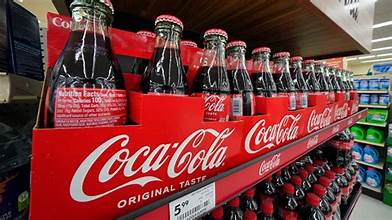
HBC, a major player in bottling fizzy drinks for the global giant, struck a big deal on Tuesday. It agreed to buy a controlling 75% stake in Coca-Cola Beverages Africa (CCBA) from The Coca-Cola Company and the Gutsche family for $2.6 billion. This puts the full value of CCBA at $3.4 billion. Once done, Coca-Cola HBC will become the world's second-biggest Coca-Cola bottler by sales volume, right behind the European and Pacific leader. It's a bold step to supercharge operations across Africa's fast-growing markets, where demand for Coke, Fanta, and Sprite is bubbling up.Coca-Cola HBC, based in Switzerland but rooted in places like Greece and Nigeria, already bottles drinks in 31 countries. Now, grabbing CCBA—a powerhouse founded in 2014—lets it tap into 14 more African nations, from South Africa to Ethiopia. CCBA handles about 40% of all Coke products sold on the continent, serving over 800,000 shops and reaching more than 450 million people.
South Africa alone makes up 60% of CCBA's volume, but spots like Kenya, Uganda, and Mozambique offer huge upside as cities grow and young folks crave cool beverages. The combined outfit will push out 4 billion unit cases a year, rake in €14.1 billion in sales, and pocket €1.4 billion in profits, based on last year's numbers.This isn't just about pouring more soda. Africa's beverage scene is exploding, worth over $60 billion and climbing thanks to a booming population, more city dwellers, and a rising middle class with cash to spend. Urbanization means folks want quick grabs from stores, not just street vendors. Coca-Cola HBC sees this as prime time to invest in factories, trucks, and tech to get drinks to shelves faster and cheaper. They'll share tricks from their playbook—like smart supply chains and eco-friendly bottles—to make CCBA run smoother. Plus, local flavors like Sparletta or Twist stay on the menu, mixing global hits with home tastes to keep customers loyal.The sellers are happy too.
The Coca-Cola Company, which owns 23% of HBC already, is selling 41.5% of its CCBA stake while keeping 25% for now. They gave HBC a six-year option to buy that out too. Henrique Braun, Coke's top operations boss, called HBC a "strong partner" for CCBA's next growth spurt. The Gutsche family, who've bottled Coke in southern and east Africa for 85 years, is cashing out their full 33.5% share, trusting HBC to carry the torch. It's part of Coke's big refranchising push—handing bottling reins to partners who know local ropes better.To seal the deal, Coca-Cola HBC plans a secondary stock listing on Johannesburg's exchange, drawing in African investors who want a piece of the action. Closing is eyed for late 2026, pending nods from regulators to avoid monopoly worries. In the meantime, expect more spending on green energy for plants and training for local workers to build skills and jobs.But Africa's not all smooth fizz. Power cuts in places like Ethiopia can halt production, while currency swings in volatile economies add cost headaches. Water shortages hit bottling hard too, so sustainability—recycling bottles and sourcing local—will be key to dodging backlash. Still, with Africa's youth bulge and rising incomes, this merger positions Coca-Cola HBC to quench thirst while quenching profits.
This $3.4 billion splash shows faith in Africa's potential when others hesitate. It could spark more deals in consumer goods, turning the continent into a bottling hotspot. For Coca-Cola fans from Cape Town to Addis Ababa, it means more variety and reliability on the shelves.Africa's Thirst for Growth: With a young population and urban boom, the continent is a goldmine for consumer brands—smart firms like Coca-Cola HBC are betting big to capture it early.
Mergers like this blend global scale with on-the-ground smarts, a blueprint for thriving in tricky markets without losing touch with buyers. Facing water woes and eco-pushback, investing in green practices isn't just nice—it's essential to keep profits flowing long-term.This mega-transaction could kick off a flurry of African buyouts, reminding investors to eye emerging spots for high-reward plays.