Botswana Central Bank Jumps Key Rate by 1.6% to Fight Inflation and Cash Crunch
Central Bank // Inflation // Botswana
FINANCE
10/31/20252 min read


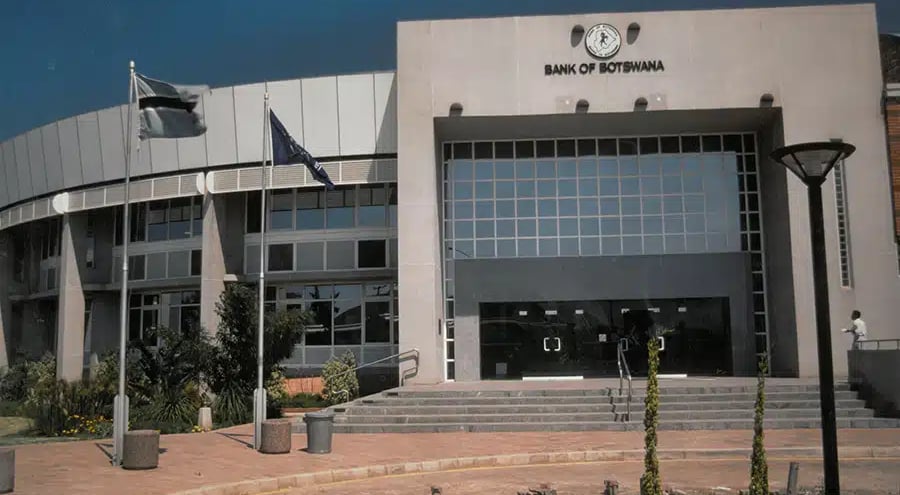
Botswana's central bank made a sharp move on Thursday, October 30, 2025. It raised its main interest rate by 160 basis points—the biggest hike in years—to 3.5%. This comes after keeping rates steady for six straight meetings. The goal? Close the wide gap between the bank's rate and sky-high market lending costs, squeezed by a cash crunch tied to a tough economy. As diamonds, the country's lifeblood, slump globally, this step aims to steady prices and ease borrowing pains for businesses and homes.The Bank of Botswana, based in Gaborone, acted fast as inflation heated up. Prices rose 3.7% year-on-year in September, up from a cool 1.4% in August. That's still below the bank's 3-6% target, but the quick jump signals worry.
A liquidity squeeze—too little cash chasing too many needs—has pushed market rates way above the policy rate. Banks charge more to lend, hurting growth. This mismatch started with an economic slowdown, hit hard by weak diamond sales. Botswana relies on gems for over 80% of exports and a third of GDP. When global buyers cut back, mines slow, jobs vanish, and government cash dries up. Debt is piling on too. Credit agency Moody's just cut Botswana's rating this month, citing struggles with the diamond bust and rising bills. The government borrowed more to plug holes, pushing public debt toward 20% of GDP. Without fresh funds, spending on roads, schools, and health takes a hit. The rate hike should help by drawing in savers and cooling loan demand, freeing up cash. It might also prop up the pula, the local currency, against a strong U.S. dollar that makes imports pricier. For everyday folks, this means tighter wallets. Home loans and car payments could climb soon as banks pass on costs. Small shops and farmers, already squeezed, face higher hurdles to borrow for stock or seeds. But it's not all gloom. By taming inflation, the bank hopes to build trust with investors, who fled during the slump.
Tourism and beef exports could pick up slack if rates stabilize markets. The bank eyes a soft landing: control prices without sparking a deep freeze. This isn't a solo act. Global winds blow hard—U.S. rate cuts loom, but China's slowdown chills diamond demand. Botswana's leaders talk diversification, pushing solar power, tech hubs, and eco-tourism to cut gem reliance. Early signs show promise: a new green energy plant nears launch, and digital banking apps draw young users. Yet, the hike risks short-term pain. If growth dips below 2% this year, as forecasts say, unemployment—already at 25%—could worsen.
Central bank Governor Timothy Mothae called the move "needed to anchor expectations." He stressed it's a bridge to better days, with close watch on data. Markets reacted mixed: the Gaborone stock index dipped 1% at open, but bond yields eased a tick. Analysts nod approval, seeing it as bold housekeeping amid storm clouds. Botswana's story is Africa's in mini: resource-rich but vulnerable. This rate jump tests if quick fixes can steer through slumps. If it works, it sets a model for neighbors like Namibia, also gem-tied. For now, it's a high-stakes bet on steady hands guiding a diamond in the rough back to shine.