
African Nations Show Interest in Nuclear Energy Projects; Projects Remain Stalled
TECHNOLOGY
8/30/20253 min read
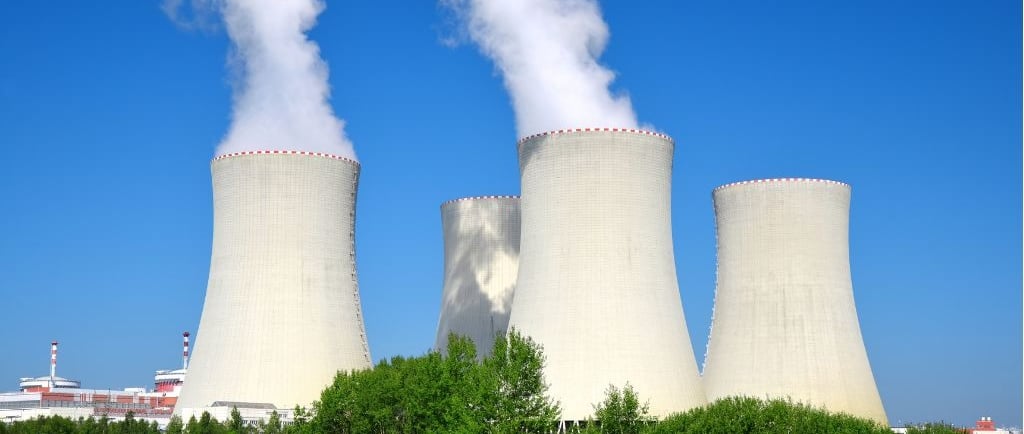
Over 20 African countries have declared on exploring nuclear energy but only 4 countries have moved beyond ordinary projections to actual construction, according to the International Atomic Energy Agency (IAEA) (Daba Finance, 2025). This gap between ambition and execution underscores the challenges African nations face in addressing energy deficits while navigating the high costs and complexities of nuclear power development.Africa’s energy crisis is stark: over 500 million people lack access to electricity, and fossil fuels dominate the continent’s power mix, contributing over 70% of electricity generation (IAEA, 2025). Nuclear energy, with its low-carbon, reliable baseload power, is increasingly seen as a solution to diversify energy sources and meet rising demand.
South Africa leads with its operational Koeberg plant, while Egypt’s $30 billion El-Dabaa project, backed by Russia’s Rosatom, is under construction with a 2028 completion target for its first unit. Ghana, Kenya, and Nigeria are in advanced planning stages, with Ghana pioneering small modular reactors (SMRs) through partnerships with U.S.-based NuScale and China’s CNNC (Nuclear Business Platform, 2024).The slow progress of nuclear projects stems from multiple hurdles. High capital costs—Egypt’s El-Dabaa project, for instance, relies on a $25 billion Russian loan—pose challenges for countries with constrained fiscal space and high debt-to-GDP ratios (Daba Finance, 2025).
Regional bodies like the African Commission on Nuclear Energy (AFCONE) advocate for cooperation to share costs and expertise, potentially through initiatives like the West African Power Pool (Ecofin Agency, 2025).To accelerate nuclear adoption, African nations should prioritise regional collaboration to pool resources, as suggested by the Eastern Africa Power Pool. Governments must invest in workforce training, leveraging facilities like Ghana’s NuScale Energy Exploration Centre. Innovative financing, such as public-private partnerships or World Bank-backed SMR projects, could ease fiscal burdens (IAEA, 2025).
Public engagement campaigns are also critical to address safety concerns and build trust.Africa’s nuclear ambitions signal a transformative shift, but turning rhetoric into reality demands strategic focus. By addressing financing, regulatory, and social barriers, countries like Ghana, Kenya, and Nigeria can unlock nuclear energy’s potential, driving sustainable growth and energy security.
Regulatory frameworks also lag, with many nations still establishing nuclear oversight bodies. Ghana and Kenya have made strides, with Ghana’s Nuclear Power Ghana and Kenya’s Nuclear Power and Energy Agency (NuPEA) advancing site selection and regulatory reforms (ESI-Africa, 2025). Nigeria, targeting 4,000 MW by 2035, faces delays in securing financing and finalising sites in Kogi and Akwa Ibom. Political will and public acceptance further complicate progress, as safety concerns and historical associations with nuclear risks deter swift action.Economically, nuclear energy promises long-term benefits, including stable electricity prices and reduced reliance on imported fuels. A SWOT analysis reveals strengths in Africa’s uranium-rich reserves (e.g., Namibia and Niger) and growing international partnerships, but weaknesses include limited technical expertise and underdeveloped grids, particularly in smaller economies like Rwanda and Uganda. Opportunities lie in SMRs, which offer lower costs and scalability, with Ghana’s NuScale deal projecting 924 MW from 12 modules (Financial Fortune Media, 2025). Threats include geopolitical dependencies on foreign vendors like Russia and China, which could limit technological sovereignty.Stakeholders are diverse. Governments seek energy security and industrial growth, with Egypt and Nigeria positioning themselves as regional leaders. Local communities, however, demand transparency on safety and job creation. International partners, including the IAEA and vendors like Rosatom and NuScale, provide technical and financial support but prioritise their strategic interests.
@ All images contain their sources