Action of IMF on Senegal's Debt Misreporting Situation
FINANCE
8/28/20253 min read
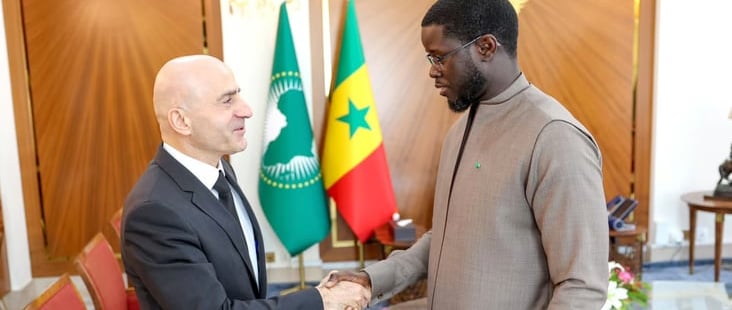
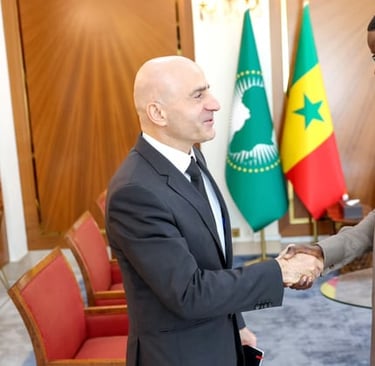
In a report made on Tuesday, the International Monetary Fund noted that it's engaging on continuous discussions revolving around the Senegal's debt misreporting case as it find corrective measures for the West African country; thereby noting that it will take weeks before conclusions are made and actions implemented. This delay casts a spotlight on Senegal’s fiscal challenges and raises critical questions about transparency, economic stability, and the broader implications for West African nations reliant on multilateral financing.Senegal, long regarded as a beacon of economic stability in West Africa, faces a setback due to inaccuracies in its reported debt figures, which have disrupted its $1.8 billion IMF programme. The misreporting, linked to errors under prior administrations, has led to a suspension of disbursements under the IMF’s Extended Credit Facility (ECF) and Extended Fund Facility (EFF). These programmes have been instrumental in supporting Senegal’s infrastructure projects and energy reforms, critical for sustaining its 5–6% annual GDP growth over the past decade (World Bank, 2024).
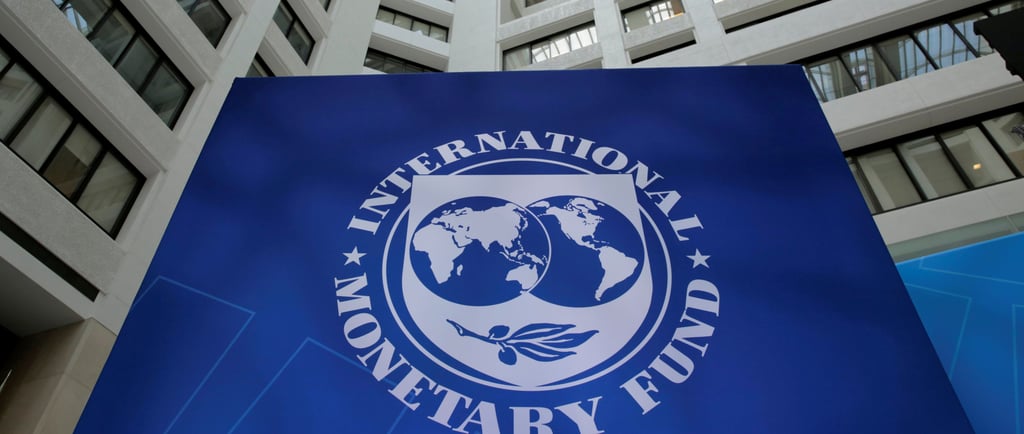
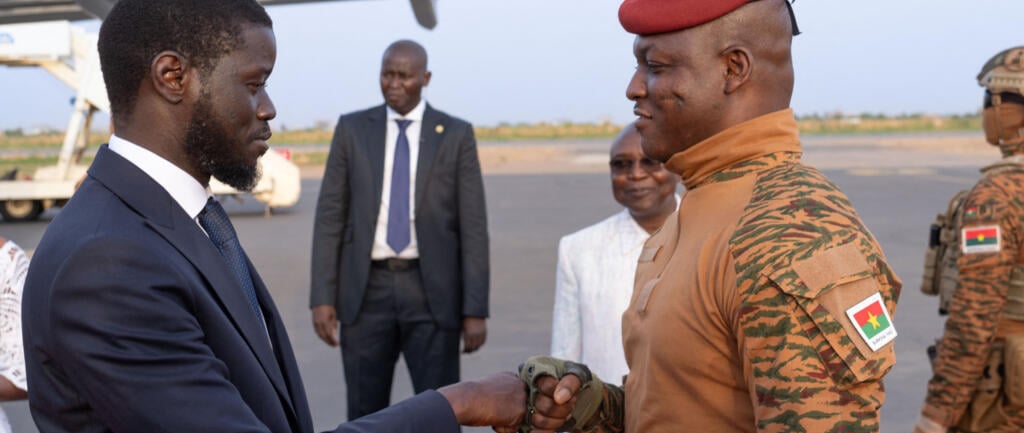
Image source: RFI
The IMF is now engaging with Senegalese authorities to address these discrepancies, focusing on improved data governance before a waiver can be presented to its board.The economic implications of this delay are significant. Senegal’s fiscal health depends on external financing to bridge budget deficits and fund development initiatives in agriculture, transport, and renewable energy. The suspension of IMF funds could strain liquidity, potentially forcing the government to tap costly commercial loans or scale back public investments. This comes at a time when Senegal’s Eurobond yields are already under pressure, reflecting investor concerns about fiscal transparency . For a country with ambitions to become a regional economic hub, this episode risks eroding confidence among investors and development partners.Regionally, Senegal’s predicament highlights a persistent challenge in West Africa: the need for robust fiscal reporting systems. Countries like Ghana, which recently navigated its own debt restructuring with IMF support, illustrate the high stakes of maintaining creditor trust (IMF, 2024). Senegal’s case could prompt other ECOWAS nations to reassess their data management practices, as weak governance risks similar disruptions.
A SWOT analysis underscores Senegal’s strengths, such as its stable political environment and diversified economy, but also reveals weaknesses in institutional transparency that must be addressed to sustain growth.Stakeholders across the spectrum are affected. The Senegalese government, led by President Bassirou Diomaye Faye, faces domestic pressure to restore fiscal credibility while balancing public expectations for economic progress. Local businesses, particularly in sectors reliant on government contracts, may face delays in payments or project funding. For the IMF, the challenge lies in enforcing accountability without derailing Senegal’s reform agenda. International investors, holding Senegalese bonds, will monitor the waiver process closely, as prolonged uncertainty could increase borrowing costs. Meanwhile, regional bodies like ECOWAS have a vested interest in supporting Senegal to prevent a ripple effect across West African markets.
To move forward, Senegal must prioritise transparent fiscal reporting, investing in digital tools and independent audits to align with global standards. The government should also diversify funding sources, exploring partnerships with the African Development Bank or private investors to mitigate reliance on IMF disbursements.
The IMF, expediting technical assistance to strengthen Senegal’s data systems could accelerate the waiver process. Regionally, ECOWAS could champion a task force to enhance fiscal governance, ensuring West African nations avoid similar pitfalls.Senegal’s debt misreporting case is a wake-up call for African economies to prioritise fiscal transparency. By addressing these challenges head-on, Senegal can rebuild trust, sustain its growth trajectory, and set a model for regional peers. The coming weeks will be pivotal for its economic future.
Image source: The Africa Report
Image source: Africa Business Networking